
Supply Chain Pressures Persist but Some Construction Materials Show Signs of Stabilization in 2026
Construction industry outlook signals mixed supply pressures, raw material costs still elevated while basic material shortages ease modestly.
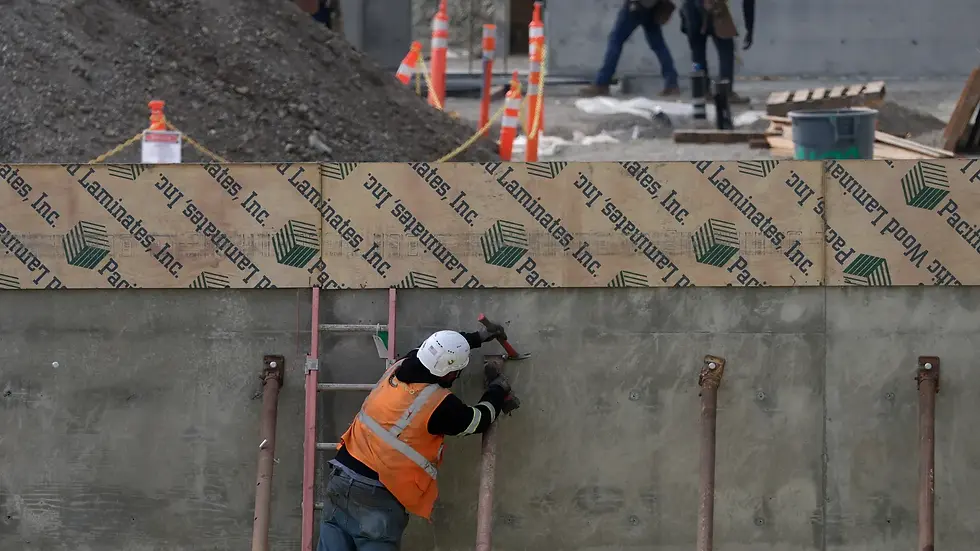
A Construction Dive article published January 7, 2026 outlines key construction industry trends expected to influence major infrastructure projects this year, including grid builds. While advanced electrical components and specialized hardware remain constrained, basic construction material costs like cement and concrete are stabilizing. However, elevated prices for steel and aluminum, critical for transmission towers, braces, and support structures, continue to exert pressure. Labor availability and labor cost inflation also rank high among contractor concerns as project pipelines grow.
Material cost outlook for 2026 predicts modest inflation for key items, especially steel and aluminum.
Cement and concrete costs are relatively stable compared to historical volatility.
Labor remains a significant cost and availability constraint.
Contractors anticipate strong activity in data center buildouts and public infrastructure.
Strategic sourcing and long‑lead procurement planning remain a priority for large builds.
“Contractors will need to depend on a familiar formula in 2026 as material costs and labor pressures shape competitive project bids."
CONCLUSION
Trends in material availability and cost have direct implications for both grid expansion and long‑distance transmission construction. Elevated steel and aluminum prices, combined with tight labor markets, can affect the timeline and cost of HVDC line construction and related substations. Early supply chain engagement and flexible procurement strategies will be essential to mitigate risk and maintain progress on complex infrastructure programs.
Source:


Comments